... you might want to click through today to see the quote in the sidebar from Pinky and the Brain. It's one of my favorites and certainly speaks to the way that most people feel today, what with upcoming elections and economic crises and all.
Good for Wednesday only ... tomorrow it will change!
Wednesday, October 1, 2008

A Little Useless Information
It is a very sad thing that nowadays there is so little useless information. -- Oscar Wilde
VERMIN • Although this term now refers to offensive animals of all sizes and kinds, it originally referred to only a single kind of creature, a worm. In Latin, the root was vermis, meaning "worm."The Word Origin Calendar

Tuesday, September 30, 2008
Aye Carumba! That's A Lot of Hits!
Taking a look at the stats from yesterday's angel-fest, I did a double take. The number of hits doubled my all-time high.
Welcome to anybody who comes back by today for a follow-up ... not so many angels, but hopefully there's still a little something interesting going on.
Welcome to anybody who comes back by today for a follow-up ... not so many angels, but hopefully there's still a little something interesting going on.
The Economic Crisis, St. Basil, Aliens, and Greg Farrell's Prediction
Reading The Fathers, a collection of Pope Benedict's homilies about the Church Fathers, I have consistently been struck by how much these of these men's wisdom relates to modern life.
For instance, reading about St. Basil yesterday, this instantly made me think of the economic crisis and the greedy, selfish, thoughtless people whose desire for gain has hurt so many.
Finally, I listened to the Monday morning memo yesterday and it has a fascinating revelation that goes to the point I made when talking about that economic crisis explanation video. This is everybody in Congress's fault. Everybody.
For instance, reading about St. Basil yesterday, this instantly made me think of the economic crisis and the greedy, selfish, thoughtless people whose desire for gain has hurt so many.
In times of famine and disaster, the holy bishop exhorted the faithful with passionate words "not to be more cruel than beasts ... by taking over what people possess in common or by grabbing what belongs to all."Or as Ellen Ripley paraphrases pithily in Aliens (you didn't know that St. Basil was in there, did you?):
I don't know which species is worse. You don't see them f*****g each other over for a goddamn percentage!Ah yes. That about sums it up.
Finally, I listened to the Monday morning memo yesterday and it has a fascinating revelation that goes to the point I made when talking about that economic crisis explanation video. This is everybody in Congress's fault. Everybody.
Greg was America’s only reporter in the courtroom for every minute of the trials of Enron, Worldcom, Tyco and Martha Stewart. As an investigative reporter Greg dug deep, full time, year after year. “Roy, the SEC is being set up to take the fall for a series of financial disasters,” he said. “This whole Enron thing is just the tip of the iceberg.”Go read it all and check out the links.
“What do you mean?”
“The number of publicly traded companies has grown exponentially in recent years, yet the budget for the SEC had been increased by only a small amount. Think of it this way,” Greg said, "Andy and Barney did a pretty good job patrolling Mayberry, but now they’re being told they have to patrol Los Angeles without any additional help, and without any bullets for their guns.”
Worth a Thousand Words
 TOMB OF PTAHOTEP 5TH DYNASTY
Ptahotep sits before a table to receive offerings. He is dressed in an animal skin.
(Found via Your Daily Art)
Monday, September 29, 2008
Thank You, Joan!
Much heartfelt thanks goes to Joan Wester Anderson who not only devoted the time to answering questions (and in a very gentle and loving way, I was impressed to see) but who also had to learn from the ground up about Haloscan and comments boxes. She leapt over many technological hurdles to be with us!
Also, much thanks to those who commented. I read some really wonderful stories and some very thoughtful questions. Check the comments on our introductory post as well as those linked to in the very bottom of that post to see them all.
RAFFLE WINNER
And, the winner, based on a random drawing ... is Victoria. Victoria, please send your contact information to me (julie at glyphnet dot com) so we can get that autographed book headed your way!
Also, much thanks to those who commented. I read some really wonderful stories and some very thoughtful questions. Check the comments on our introductory post as well as those linked to in the very bottom of that post to see them all.
RAFFLE WINNER
And, the winner, based on a random drawing ... is Victoria. Victoria, please send your contact information to me (julie at glyphnet dot com) so we can get that autographed book headed your way!
Saturday, September 27, 2008
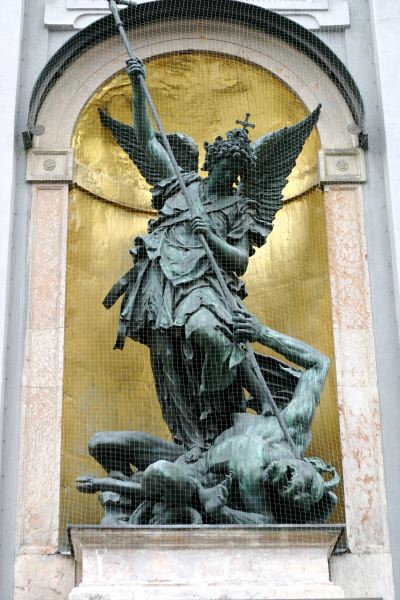
Angels and Wonders: Warriors
My favorite angel stories tend to be those that remind us of what warriors they are. Yes, they are constant spiritual warriors. However, sometimes we hear stories that remind us they also can do it "up close and personal."
Here is the last of our series of pre-posts to get us in the right spirit for Joan Wester Anderson's blog tour which will begin here on Monday. This story is from her newest book.

The God Squad
As a “street kid,” Mike DiSanza learned early that life was full of dangers. He was small and slight, with a shaky self-esteem, and he soon developed a strong fear of any kind of physical violence. There was no use praying about his physical safety either; to Mike, God was an aloof deity, interested in rules and punishment, not concerned with an ordinary kid from the Bronx.
By the time Mike graduated from high school, the Vietnam War was under way. “There was no money for college,” he explains, “and since many of my cousins and my brothers had been drafted into the army, I followed.” Perhaps as a soldier he would overcome his fear of violence.
Mike came through Vietnam unscathed—but still anxious. Almost on a lark—and because few job opportunities loomed—he then took the test for the New York City police force along with fifty thousand other applicants. Mike was astonished when he was one of the four hundred hired. Now he would have to get over his fears. But he didn’t. Mike worked as a patrol officer, first in Harlem, later in Manhattan. Due to antiwar sentiment, police officers were under attack by many, and morale was low. This increased Mike’s on-the-job stress. “We were the cops on the front line, the ones who went into situations all alone,” he points out. “I got seasoned real quick, but I continued to be afraid.”
One evening on street patrol, Mike experienced such a deep anxiety attack that he thought he was dying. “My body literally shook as if it would explode,” he says. What was it all about? he asked himself. What was he doing out here in this high-risk environment, where fear tore him apart every night? Just then a young black woman stopped in front of him and grabbed his hand. “Is anything the matter, Officer?” she asked.
Mike didn’t answer, but he held on. “I didn’t want to let go,” he explains. “I felt something wonderful coming from her. I didn’t know it then, but it was the love of Jesus, a love I had never experienced.”
The woman led Mike to a storefront Pentecostal church, where people were singing, dancing, and praising the Lord. Mike thought it wasn’t at all like the “flickering candles in those huge, formal New York cathedrals I’d been used to.” A nameless hunger came over him, and a few nights later, he read the Bible at home for the first time.
He came upon the words of John 3:17: “For God did not send his Son into the world to condemn the world, but that the world might be saved through him.” Mike closed the book. “Jesus, whoever you are, help me,” he prayed.
A few weeks later, Mike answered a call for assistance from a fellow officer making an arrest in the subway at Seventy-second and Broadway. Mike ran past one officer still in the parked squad car and continued down the stairs. “The cop was attempting to handcuff the suspect, but he was resisting,” Mike says. “A crowd was growing, and people were trying to rescue the suspect. I worked my way through and helped the cop get him cuffed. But we were surrounded. How were we going to get upstairs?”
The crowd was furious at the arrest. Hands shoved Mike toward the edge of the platform. “Throw him onto the tracks!” someone yelled. Mike felt a blow against the side of his head and heard, with dread, the sound of an approaching train.
“Jesus,” he murmured. “Help.”
Suddenly two large African American men loomed in front of him. “Follow us, Officer,” one said. The other, somehow, made a little opening in the densely packed crowd. Relieved, Mike pushed the prisoner directly behind these two unexpected guardians. The crowd moved back, and with the other officer behind him, Mike and his prisoner followed the two men across the platform and up the stairs.
On the street, however, there was more danger. “Another gang had formed around the patrol car, and the driver was getting nervous,” Mike says. “The black guys had been right ahead of us, running interference all the way.” But now as Mike shoved the prisoner in the car and turned to thank his rescuers, they were nowhere in sight. How could he have missed them?
As the squad car pulled away, everyone sighed in relief. “Thanks, Mike,” the subway officer said. “You did a great job getting us through that crowd.”
“Yeah, thanks to those two big black guys,” Mike answered.
“What guys?”
“The ones that said ‘follow us.’ You saw them. They muscled everyone aside.”
The officer looked puzzled. “I didn’t see anyone but you.”
Mike stopped. He was getting a strange feeling. Just last night, in his ongoing quest to understand the Bible, he had read from Hebrews about “ministering spirits, sent from heaven to help in times of distress.” Could the black men have been angels?
No. Police officers didn’t see angels. Not unless they were having mental breakdowns. But although Mike’s heart had raced during the subway episode, he realized suddenly that he was not as afraid as he ordinarily was. Something was definitely different.
A few weeks later, he was assisting another officer making an arrest. “The suspect broke free and ran,” Mike says. “I tackled him, and we fell into a hole in the street, where the Con Edison crews had been digging. The suspect landed first, and I fell on top of him, making it easy to handcuff him. But the hole was too deep for us to get out. We had to wait for backup.”
When extra officers arrived, they hauled the prisoner out of the hole. Then they grabbed Mike’s hands and pulled him up. “Lucky that you landed on him-—you could have been hurt,” one officer remarked.
“Yeah,” Mike murmured. Again he was filled with anxiety. Would he never be free of it? And then, near the side of the excavation, he saw two large black men wearing Con Edison helmets, smiling at him as he passed. They were the same two—he knew it! But when he looked back, they had vanished.
Over the next few months, Mike spent a lot of time thinking. He was in a unique position, he knew. He had already begun to witness to other police officers, even to people on the street, about how knowing Jesus was changing his life. Maybe God was building his confidence, so he would have both the physical and mental courage to do whatever he was asked to do. But how would he know for sure?
One afternoon Mike went into a restaurant for lunch. He had passed two diners at a table before he realized . . . He turned in amazement. There were the same two black men, both looking directly at him.
Joy flooded his spirit. “I couldn’t help it,” he says. “I winked at them.”
Each man winked back. Mike could hardly keep from laughing out loud. He seated himself, then looked back. The table was empty.
It was the sign he had needed. From that point on, although Mike continued to have occasional anxious moments on the job, he never felt alone. Sometimes he’d sense that he was being prepared for an upcoming dangerous moment. Occasionally he would walk into angry crowds, disarm gunmen, or display sudden strength, all without being injured.
It wasn’t the sort of thing one could put in a police report. But Mike understood. “I knew now that Jesus was right beside me, and would never leave me,” he says. Jesus, and two very heavenly bodyguards.
Here is the last of our series of pre-posts to get us in the right spirit for Joan Wester Anderson's blog tour which will begin here on Monday. This story is from her newest book.
The God Squad
By the time Mike graduated from high school, the Vietnam War was under way. “There was no money for college,” he explains, “and since many of my cousins and my brothers had been drafted into the army, I followed.” Perhaps as a soldier he would overcome his fear of violence.
Mike came through Vietnam unscathed—but still anxious. Almost on a lark—and because few job opportunities loomed—he then took the test for the New York City police force along with fifty thousand other applicants. Mike was astonished when he was one of the four hundred hired. Now he would have to get over his fears. But he didn’t. Mike worked as a patrol officer, first in Harlem, later in Manhattan. Due to antiwar sentiment, police officers were under attack by many, and morale was low. This increased Mike’s on-the-job stress. “We were the cops on the front line, the ones who went into situations all alone,” he points out. “I got seasoned real quick, but I continued to be afraid.”
One evening on street patrol, Mike experienced such a deep anxiety attack that he thought he was dying. “My body literally shook as if it would explode,” he says. What was it all about? he asked himself. What was he doing out here in this high-risk environment, where fear tore him apart every night? Just then a young black woman stopped in front of him and grabbed his hand. “Is anything the matter, Officer?” she asked.
Mike didn’t answer, but he held on. “I didn’t want to let go,” he explains. “I felt something wonderful coming from her. I didn’t know it then, but it was the love of Jesus, a love I had never experienced.”
The woman led Mike to a storefront Pentecostal church, where people were singing, dancing, and praising the Lord. Mike thought it wasn’t at all like the “flickering candles in those huge, formal New York cathedrals I’d been used to.” A nameless hunger came over him, and a few nights later, he read the Bible at home for the first time.
He came upon the words of John 3:17: “For God did not send his Son into the world to condemn the world, but that the world might be saved through him.” Mike closed the book. “Jesus, whoever you are, help me,” he prayed.
A few weeks later, Mike answered a call for assistance from a fellow officer making an arrest in the subway at Seventy-second and Broadway. Mike ran past one officer still in the parked squad car and continued down the stairs. “The cop was attempting to handcuff the suspect, but he was resisting,” Mike says. “A crowd was growing, and people were trying to rescue the suspect. I worked my way through and helped the cop get him cuffed. But we were surrounded. How were we going to get upstairs?”
The crowd was furious at the arrest. Hands shoved Mike toward the edge of the platform. “Throw him onto the tracks!” someone yelled. Mike felt a blow against the side of his head and heard, with dread, the sound of an approaching train.
“Jesus,” he murmured. “Help.”
Suddenly two large African American men loomed in front of him. “Follow us, Officer,” one said. The other, somehow, made a little opening in the densely packed crowd. Relieved, Mike pushed the prisoner directly behind these two unexpected guardians. The crowd moved back, and with the other officer behind him, Mike and his prisoner followed the two men across the platform and up the stairs.
On the street, however, there was more danger. “Another gang had formed around the patrol car, and the driver was getting nervous,” Mike says. “The black guys had been right ahead of us, running interference all the way.” But now as Mike shoved the prisoner in the car and turned to thank his rescuers, they were nowhere in sight. How could he have missed them?
As the squad car pulled away, everyone sighed in relief. “Thanks, Mike,” the subway officer said. “You did a great job getting us through that crowd.”
“Yeah, thanks to those two big black guys,” Mike answered.
“What guys?”
“The ones that said ‘follow us.’ You saw them. They muscled everyone aside.”
The officer looked puzzled. “I didn’t see anyone but you.”
Mike stopped. He was getting a strange feeling. Just last night, in his ongoing quest to understand the Bible, he had read from Hebrews about “ministering spirits, sent from heaven to help in times of distress.” Could the black men have been angels?
No. Police officers didn’t see angels. Not unless they were having mental breakdowns. But although Mike’s heart had raced during the subway episode, he realized suddenly that he was not as afraid as he ordinarily was. Something was definitely different.
A few weeks later, he was assisting another officer making an arrest. “The suspect broke free and ran,” Mike says. “I tackled him, and we fell into a hole in the street, where the Con Edison crews had been digging. The suspect landed first, and I fell on top of him, making it easy to handcuff him. But the hole was too deep for us to get out. We had to wait for backup.”
When extra officers arrived, they hauled the prisoner out of the hole. Then they grabbed Mike’s hands and pulled him up. “Lucky that you landed on him-—you could have been hurt,” one officer remarked.
“Yeah,” Mike murmured. Again he was filled with anxiety. Would he never be free of it? And then, near the side of the excavation, he saw two large black men wearing Con Edison helmets, smiling at him as he passed. They were the same two—he knew it! But when he looked back, they had vanished.
Over the next few months, Mike spent a lot of time thinking. He was in a unique position, he knew. He had already begun to witness to other police officers, even to people on the street, about how knowing Jesus was changing his life. Maybe God was building his confidence, so he would have both the physical and mental courage to do whatever he was asked to do. But how would he know for sure?
One afternoon Mike went into a restaurant for lunch. He had passed two diners at a table before he realized . . . He turned in amazement. There were the same two black men, both looking directly at him.
Joy flooded his spirit. “I couldn’t help it,” he says. “I winked at them.”
Each man winked back. Mike could hardly keep from laughing out loud. He seated himself, then looked back. The table was empty.
It was the sign he had needed. From that point on, although Mike continued to have occasional anxious moments on the job, he never felt alone. Sometimes he’d sense that he was being prepared for an upcoming dangerous moment. Occasionally he would walk into angry crowds, disarm gunmen, or display sudden strength, all without being injured.
It wasn’t the sort of thing one could put in a police report. But Mike understood. “I knew now that Jesus was right beside me, and would never leave me,” he says. Jesus, and two very heavenly bodyguards.
Worth a Thousand Words
 Starry Night Over the Rhone, Vincent Van Gogh
(via Lines and Colors who has a very nice essay about seeing the Van Gogh connections in Arles.)
Friday, September 26, 2008
Miracles ... In Our Time
The parting of the Red Sea, the feeding of the five thousand, the turning of water into wine - miracles. Miracles? Yet miracles have been part of human culture for thousands of years. From beliefs about the shin bone of a saint to ideas about the nature of creation and the laws of nature, miracles have been a measure of disputes within religion and between religion and rationality from St Augustine in the 4th century to David Hume in the 18th. They have also been used by the corrupt and the powerful to gain their perverse ends. Miracles have been derided and proved to be fraudulent and yet, for many, the miraculous maintain a grip on our imagination, our language and our belief to this day.BBC's In Our Time is back from their break with a look at miracles. Anne is a Man reviews this episode and says, among other things:
... A lot of fascinating aspects were touched upon, but the subject flows like fine sand between your fingers; it is so difficult to get a grasp.Read his whole review here.
... this is a weakness that is unlike In Our Time: it was too fragmented. There are glimpses of intelligent and provocative thoughts, but they fleet a bit too easily. Still, this is In Our Time, one of the best podcasts around. But be prepared.
Angels and Wonders: Mary's Mantle
Now to get us all in the mood for angelic conversation on Monday, here is a feature story from Joan Wester Anderson's newest book, chosen for us by the author herself.
When bombs fell out of the sky on Sunday morning, December 7, 1941, Pearl Harbor, Hawaii, was not the only city to suffer. Many areas in the Philippine Islands were also hit, including the city of Baguio. Baguio was a place of pine trees and mountains, surrounded by fields and gold mines, where Lolo Joaquin worked as an engineer. Lolo’s family, all devout Catholics, had spent the weekend visiting him at the mining site, and everyone was driving home to Baguio for Mass when they heard the bombs exploding. Terrified, the family turned the car around and sped back to the relative safety of the camp. For the next several months, they and many others, stayed near Itogon at a mission run by Father Alfonso, a Belgian priest and longtime friend.
Lolo had graduated from the Colorado School of Mining and had American friends, so as the Japanese army invaded city after city, he became involved in the resistance movement. He refused to work in the copper mines, knowing the metal would be turned into bullets used against his friends. His wife, Lola, smuggled messages inside loaves of freshly baked bread to American prisoners in concentration camps. But both knew it was just a matter of time before the Japanese made inroads into more distant areas, and discovered their activities.
Early in October 1942, as monsoon season began, word spread that Japanese soldiers were heading in their direction. “We’ll go deeper into the mountains, to Dalupiri,” Father Alfonso told the families that had been staying with him. They could hide among the Benguet tribe, whose kings were sympathetic to their plight.
The journey began early in the day, but Lolo soon realized that, for his family, passage was going to be difficult. Not only were the Joaquins traveling with four young children, but Lola had recently had a miscarriage and was still very weak. As miles passed and the trails became rockier, she often stumbled and fell. Other families tried to help, and Lolo knew that his was holding the rest of them back. With the Japanese on their heels, this could be disastrous for everyone.
“Go on ahead,” he finally told Father Alfonso. “We’ll catch up.”
Father nodded reluctantly. “We’ll send people back to help carry Lola as soon as we can,” he promised. “God go with you.”
“And you.”
Soon their friends were gone. Frightened, everyone looked at one another. “Daddy, it’s starting to rain.” Nine-year-old Patricia glanced anxiously at the sky.
Lolo followed her gaze. Clouds were gathering, and the sun had dropped, leaving a chill in the air. “Come,” he said, lifting baby Sonny into his piggyback sling. “Everything will be all right.”
But it wasn’t long before the wind picked up and rain pelted the little group. Soon everyone was soaked. The baby whimpered, and seven-year-old Teresita jumped as the trees swayed, whispering ominously. Lola grew increasingly exhausted. The monsoons had begun. How could they go on?
Soon the trail became so narrow that it could only accommodate one person at a time. To the right rose the cliff-side, straight up, stony and forbidding. To the left a precipitous chasm dropped to the overflowing river. The rain continued, pounding them as they struggled to stay upright on the slippery bluff. Finally Lolo stopped. “We’ll sit now,” he said calmly, although Patricia had seen the worry on his face before the last of the light faded. “Your mother needs to rest.”
Slowly the family put down their packs and sat against the rocks. It was dark now, Lolo realized. Even worse, somewhere in the last mile or two, he had lost his way. What should he do? His little ones were exhausted—how could they continue across those treacherous cliffs, especially as night fell? But they couldn’t sleep on the mountainside either, not with these heavy rains and soldiers trying to ambush them.
The wind grew wilder, and soon Lolo stood up again. “Perhaps we should crawl,” he suggested. “One hand on the ground and the other on the wall of the mountain for guidance.”
“Why don’t we light a torch, Daddy?” Buddy asked.
“We can’t, son,” Lolo explained. “The enemy might see it and shoot us.”
Teresita began to cry. “I’m scared, Daddy,” she sobbed as thunder rolled across the mountains. “I want to go home!”
“Hush,” he soothed her, patting her with one hand as he held the sobbing baby in the sling. “Stop crying, my little ones. This is not a good place to be caught by darkness and rain, but we must make the best of it. This situation calls for courage, not fear!”
“What can we do?” Lola asked, drawing four-year-old Buddy close to her.
Lolo paused. “We can pray,” he said. “Haven’t we always turned to heaven when things got bad?”
The children nodded. They had all read prayers from books, or recited those they had been taught. Of course they could pray. But now their father threw out his hands and lifted his voice in a way they had never heard before. “Cover us with thy mantle, oh Blessed Mother of God,” he pleaded, “that we may be saved from all evil and temptation, and from all dangers of body and soul!”
It was a wonderful petition. It had power and hope, and their terror seemed to recede, just a little. Lolo felt it, too. “I have an idea,” he said slowly. “It is too dark now to see ahead, but if we go in single file, each taking the hand of the person in front, we will all feel safer.”
Teresita wanted to be brave. But she trembled as the river beneath them roared. “I’m afraid, Daddy.”
Her father grasped her wet hand. “We will say the rosary as we walk, loud, so God can hear it over the storm! Buddy, you lead the way because you are the smallest and closest to the ground. Is everyone ready?”
“Ready.” Slowly the little group moved forward, water streaming into their eyes, clothes plastered to their shivering bodies. They would not make it. One child would trip, and all would lose their balance, plunging to the canyon below. “Hail Mary, full of grace.” Shakily they clung to the familiar biblical phrases, the reassuring cadence, the memory of their father’s impassioned plea. They would not make it. And yet . . .
The journey seemed to last forever. But as they approached a sharp turn in the path, Buddy was the first to see. “Mama! Daddy!” he shouted. “Look!”
The rain had abruptly stopped, the air seemed sweetly fragrant. And before them, as far as they could see, stretched a long line of luminous candles winding around the curve of the mountain and on to a wide plain. But no—not candles. For these lights were bouncing, dancing, twinkling like stars illuminating the heavens.
They were fireflies! Thousands, millions of them, all hovering about three feet from the ground. In their combined greenish glow, Lolo could see the path as bright as day, even the footprints of the refugees who had gone ahead of them.
Awed, Lola dropped to her knees in thanksgiving. The children laughed, catching some of the little insects and wrapping them in their handkerchiefs. “We can use them for lanterns!” Patricia cried, delighted.
Clutching the baby, Lolo stared at the scene, incredulous. In all his life he had never seen such a huge collection of fireflies in the same place, or massed in a precise pattern like this. Fireflies didn’t come during monsoon season. Nor did they hover close to the ground, preferring
instead the tops of trees. Yet here, hip-high, were an incredible number, waiting for his family, enclosing them—like a mantle of protection, he realized suddenly. A queen’s mantle, edged with gold.
There were more miles to go, but now the path seemed enchanted as the blessed fireflies lighted their way to the little village. Finally! They ran the last muddy yards and pounded on Father Alfonso’s door.
“We had given you up for lost!” the astonished priest cried, coming out to embrace them. “How did you do it? How did you cross the mountains in the dark, in this raging storm?” Patricia and Teresita looked up. The deluge had started again.
“Father, we can’t explain it,” Lolo said. “Look behind us and see this miracle for yourself.”
Father looked past Lolo. But there was nothing at all to see. No fireflies, no softened sky—nothing but darkness and streaming water. Lolo understood. “Has it been raining like this all evening, Father?” he asked quietly.
“It has not stopped at all, Mr. Joaquin,” Father Alfonso answered.
The following day, Father Alfonso called a meeting of the tribal elders, some of them over one hundred years old, and showed them the fireflies left in Teresita’s handkerchief. “Have any of you heard of this?” he asked. “Fireflies coming in a storm to light a traveler’s path?”
The elders conferred. They were experts on the ways of nature, and fireflies. There was no possibility of such a thing, they all agreed.
Such a verdict did not matter to the Joaquins. For they had seen, not only with physical eyes but the eyes of faith. Life would be difficult as they struggled to survive in their war-torn land. But they would not be alone. How wonderful were the ways of God!
Mary’s Mantle
All things bright and beautiful,
All creatures great and small,
All things wise and wonderful,
The Lord God made them all.
—Cecil Frances Alexander, “All Things Bright and Beautiful”
All creatures great and small,
All things wise and wonderful,
The Lord God made them all.
—Cecil Frances Alexander, “All Things Bright and Beautiful”
When bombs fell out of the sky on Sunday morning, December 7, 1941, Pearl Harbor, Hawaii, was not the only city to suffer. Many areas in the Philippine Islands were also hit, including the city of Baguio. Baguio was a place of pine trees and mountains, surrounded by fields and gold mines, where Lolo Joaquin worked as an engineer. Lolo’s family, all devout Catholics, had spent the weekend visiting him at the mining site, and everyone was driving home to Baguio for Mass when they heard the bombs exploding. Terrified, the family turned the car around and sped back to the relative safety of the camp. For the next several months, they and many others, stayed near Itogon at a mission run by Father Alfonso, a Belgian priest and longtime friend.
Lolo had graduated from the Colorado School of Mining and had American friends, so as the Japanese army invaded city after city, he became involved in the resistance movement. He refused to work in the copper mines, knowing the metal would be turned into bullets used against his friends. His wife, Lola, smuggled messages inside loaves of freshly baked bread to American prisoners in concentration camps. But both knew it was just a matter of time before the Japanese made inroads into more distant areas, and discovered their activities.
Early in October 1942, as monsoon season began, word spread that Japanese soldiers were heading in their direction. “We’ll go deeper into the mountains, to Dalupiri,” Father Alfonso told the families that had been staying with him. They could hide among the Benguet tribe, whose kings were sympathetic to their plight.
The journey began early in the day, but Lolo soon realized that, for his family, passage was going to be difficult. Not only were the Joaquins traveling with four young children, but Lola had recently had a miscarriage and was still very weak. As miles passed and the trails became rockier, she often stumbled and fell. Other families tried to help, and Lolo knew that his was holding the rest of them back. With the Japanese on their heels, this could be disastrous for everyone.
“Go on ahead,” he finally told Father Alfonso. “We’ll catch up.”
Father nodded reluctantly. “We’ll send people back to help carry Lola as soon as we can,” he promised. “God go with you.”
“And you.”
Soon their friends were gone. Frightened, everyone looked at one another. “Daddy, it’s starting to rain.” Nine-year-old Patricia glanced anxiously at the sky.
Lolo followed her gaze. Clouds were gathering, and the sun had dropped, leaving a chill in the air. “Come,” he said, lifting baby Sonny into his piggyback sling. “Everything will be all right.”
But it wasn’t long before the wind picked up and rain pelted the little group. Soon everyone was soaked. The baby whimpered, and seven-year-old Teresita jumped as the trees swayed, whispering ominously. Lola grew increasingly exhausted. The monsoons had begun. How could they go on?
Soon the trail became so narrow that it could only accommodate one person at a time. To the right rose the cliff-side, straight up, stony and forbidding. To the left a precipitous chasm dropped to the overflowing river. The rain continued, pounding them as they struggled to stay upright on the slippery bluff. Finally Lolo stopped. “We’ll sit now,” he said calmly, although Patricia had seen the worry on his face before the last of the light faded. “Your mother needs to rest.”
Slowly the family put down their packs and sat against the rocks. It was dark now, Lolo realized. Even worse, somewhere in the last mile or two, he had lost his way. What should he do? His little ones were exhausted—how could they continue across those treacherous cliffs, especially as night fell? But they couldn’t sleep on the mountainside either, not with these heavy rains and soldiers trying to ambush them.
The wind grew wilder, and soon Lolo stood up again. “Perhaps we should crawl,” he suggested. “One hand on the ground and the other on the wall of the mountain for guidance.”
“Why don’t we light a torch, Daddy?” Buddy asked.
“We can’t, son,” Lolo explained. “The enemy might see it and shoot us.”
Teresita began to cry. “I’m scared, Daddy,” she sobbed as thunder rolled across the mountains. “I want to go home!”
“Hush,” he soothed her, patting her with one hand as he held the sobbing baby in the sling. “Stop crying, my little ones. This is not a good place to be caught by darkness and rain, but we must make the best of it. This situation calls for courage, not fear!”
“What can we do?” Lola asked, drawing four-year-old Buddy close to her.
Lolo paused. “We can pray,” he said. “Haven’t we always turned to heaven when things got bad?”
The children nodded. They had all read prayers from books, or recited those they had been taught. Of course they could pray. But now their father threw out his hands and lifted his voice in a way they had never heard before. “Cover us with thy mantle, oh Blessed Mother of God,” he pleaded, “that we may be saved from all evil and temptation, and from all dangers of body and soul!”
It was a wonderful petition. It had power and hope, and their terror seemed to recede, just a little. Lolo felt it, too. “I have an idea,” he said slowly. “It is too dark now to see ahead, but if we go in single file, each taking the hand of the person in front, we will all feel safer.”
Teresita wanted to be brave. But she trembled as the river beneath them roared. “I’m afraid, Daddy.”
Her father grasped her wet hand. “We will say the rosary as we walk, loud, so God can hear it over the storm! Buddy, you lead the way because you are the smallest and closest to the ground. Is everyone ready?”
“Ready.” Slowly the little group moved forward, water streaming into their eyes, clothes plastered to their shivering bodies. They would not make it. One child would trip, and all would lose their balance, plunging to the canyon below. “Hail Mary, full of grace.” Shakily they clung to the familiar biblical phrases, the reassuring cadence, the memory of their father’s impassioned plea. They would not make it. And yet . . .
The journey seemed to last forever. But as they approached a sharp turn in the path, Buddy was the first to see. “Mama! Daddy!” he shouted. “Look!”
The rain had abruptly stopped, the air seemed sweetly fragrant. And before them, as far as they could see, stretched a long line of luminous candles winding around the curve of the mountain and on to a wide plain. But no—not candles. For these lights were bouncing, dancing, twinkling like stars illuminating the heavens.
They were fireflies! Thousands, millions of them, all hovering about three feet from the ground. In their combined greenish glow, Lolo could see the path as bright as day, even the footprints of the refugees who had gone ahead of them.
Awed, Lola dropped to her knees in thanksgiving. The children laughed, catching some of the little insects and wrapping them in their handkerchiefs. “We can use them for lanterns!” Patricia cried, delighted.
Clutching the baby, Lolo stared at the scene, incredulous. In all his life he had never seen such a huge collection of fireflies in the same place, or massed in a precise pattern like this. Fireflies didn’t come during monsoon season. Nor did they hover close to the ground, preferring
instead the tops of trees. Yet here, hip-high, were an incredible number, waiting for his family, enclosing them—like a mantle of protection, he realized suddenly. A queen’s mantle, edged with gold.
There were more miles to go, but now the path seemed enchanted as the blessed fireflies lighted their way to the little village. Finally! They ran the last muddy yards and pounded on Father Alfonso’s door.
“We had given you up for lost!” the astonished priest cried, coming out to embrace them. “How did you do it? How did you cross the mountains in the dark, in this raging storm?” Patricia and Teresita looked up. The deluge had started again.
“Father, we can’t explain it,” Lolo said. “Look behind us and see this miracle for yourself.”
Father looked past Lolo. But there was nothing at all to see. No fireflies, no softened sky—nothing but darkness and streaming water. Lolo understood. “Has it been raining like this all evening, Father?” he asked quietly.
“It has not stopped at all, Mr. Joaquin,” Father Alfonso answered.
The following day, Father Alfonso called a meeting of the tribal elders, some of them over one hundred years old, and showed them the fireflies left in Teresita’s handkerchief. “Have any of you heard of this?” he asked. “Fireflies coming in a storm to light a traveler’s path?”
The elders conferred. They were experts on the ways of nature, and fireflies. There was no possibility of such a thing, they all agreed.
Such a verdict did not matter to the Joaquins. For they had seen, not only with physical eyes but the eyes of faith. Life would be difficult as they struggled to survive in their war-torn land. But they would not be alone. How wonderful were the ways of God!
"Rapunzel! Why aren't you at the fair?"
The book went on to spin the tale of a charmed girl named Rapunzel, who spent her days in the tower sewing dresses with a friend. She loved when the witch came to visit and teach songs, including one that made Rapunzel's hair grow longer. But tension arrived: One day, Rapunzel looked out the window and saw a fair in the village nearby. She wanted to go, but the witch was off tending to her garden and couldn't let her out. Fortunately, a prince riding by in his carriage called up to her, "Rapunzel! Why aren't you at the fair?"Joanna Weiss talks about the evolution of fairy tales from dark and frightening to whitewash, sanitized "feel good" tales.
This was not the fairy tale I vaguely recalled from my childhood - the one with the mother who gives up her child, the vindictive witch, the powerless girl trapped high above the ground. This new version was sanitary and safe in a way that modern parents will easily recognize. In an age when some families ban the word "killed" or come up with creative euphemisms to mask the death of goldfish, it's not hard to see why a toy company would reduce Rapunzel's story to its prettiest parts. Real life, presumably, packs enough trauma for children to think about later.
Saint Superman, whence I found the link originally (are y'all reading him because he's really great, by the way), talks about what Tom and I often wonder ... has everyone forgotten what it was like to be a kid and experience deliciously scary stories?
When I was ten, I lived in Pan’s Labyrinth, a place filled to the brim with demons and witches, monsters and swords. I hoped my house was haunted, and I prayed for some supernatural thing to happen to me. I wandered in the woods between housing properties at night and at day, looking for some monster, king, or sage, or looking in the dark sky for some flash of alien light. It wasn’t something fearful; I’d read Herschel and the Hanukkah Goblins, and I knew that monsters could be fooled, even if they were not to be trifled with or ignored. It was people that scared me.I know just what he means. I think, too, that people forget another valuable aspect to the dark side of fairy tales. Not only do children not process them as adults do, but the stories provide valuable lessons for children in dealing with problems later in life. When they are being picked on in the school yard, the last one chosen for baseball, or pointed out as a bad example to the whole class, these stories provide a cultural background that life often is not fair, bad things happen to good people, and that the little guy can win if they keep on trying. Do they think of these things consciously? Nope. But those stories are lurking in the back of their minds nonetheless with valuable lessons for life.
Worth a Thousand Words
 Rose Window, Santa Maria del Pi Church, Barcelona
 from Barcelona Photoblog, of course!
Thursday, September 25, 2008
God Sends His Messages in Humble Vessels
In preparation for Monday's Angelic Blog Tour ... I am rerunning a few of my angel posts. Here's one that is a trifecta of angel stories from friends.
From my friend Don comes this wonderful story.
+++++++++++++++++++++

From my friend Don comes this wonderful story.
Something happened this week that reminded me of you and one of your posts awhile ago. I had a business lunch date at a restaurant in Silver Spring, MD. I had gone to confession on my way to the restaurant, and I took a new way across the MD ‘burbs to the place. The drive was lovely—Sligo Creek Parkway. I had driven past it often, and I was always curious about just how much the parkway lived up to the name. As it turned out, it was beautiful. It follows the creek up into Montgomery County; the parklands were thickly forested w/ trails and picnic areas. Just beautiful. We were also enjoying temps in the 70s with no humidity. So the sun roof was open, and old Lyle Lovett was playing in the CD player. I arrived in a fine mood.On the related subject of angels, A. Alve left this comment yesterday on one of my angel posts. It was too good to leave buried there.
My lunch date was late, so I hung around outside. As I waited, a very scruffy older man shuffled up to me. He had bad teeth. His remaining hair was uncombed. He wore an old t-shirt and torn jeans. When he got close, I smiled, and he said, “Your light is shining.” I wasn’t expecting an exchange, and I was kind of distracted. I had no idea what he was talking about—my car’s headlights? I smiled again, and said “Excuse me?” He smiled and repeated, “Your light is shining.” I realized that he was talking about me. I thanked him profusely, and he grinned and wandered off. I was touched, and he efforts seriously brightened a day that was already wonderful. ...
I thought immediately of your posts regarding angels, especially the one about the homeless man on the median. A wonderful lesson: God sends his messages to us in humble vessels. You could go on forever from there.
A few years ago, I took a one-week vacation in Geneve, Switzerland. I was flying from Lisbon with a stop in Italy. When I planned my return to Lisbon, I booked an early flight from Geneve to Rome and a late flight from Rome to Lisbon. My idea was to spend some hours in Rome to pray at Saint Josemaria's tomb, where I had been 15 years earlier. I had to arrive in Geneve's airport really early and therefore I had to leave the place where I was staying and catch a bus to the airport before sunrise, when it was still really dark. I was travelling alone and I was concerned about my safety. I had to be at the bus-stop, with all my luggage when it was still dark, and that prospect frightened me. The night before I prayed and asked for a safe journey to the airport.To make a trilogy of humble vessels, Penni tells the story of how a 3-year-old boy inspired her to make a "Bible flip" that gives her God's answer to her innermost thoughts.
When I arrived at the bus stop, I was relieved to see that there other people there as well, in particular a woman with a long blond hair who had a reassuring and peaceful smile. When my bus arrived, I was happy to see that she took it too. She left the bus before I did, and when she did it, she nodded at me, she smiled and I heard her saying "Bonne prière", which means "Good pray". How could she know what the purpose of my trip was? I had never seen her before, nor had talked to anyone about I was going to do in Rome. Up to now, I have the clear feeling that she was my guardian angel, to whom I had prayed asking for protection. This is one of the happiest memories I have and I wish I could go back in time and experience that moment again. Now I know the face of my guardian angel.
Needless to say that I arrived sound and safe in Rome, where I prayed as I had planned, and in Lisbon.
How can this be? This is one of my favorite places to be. I sigh inwardly and make my way out, pushing on the heavy wooden door to go back into the light. Quiet, silent. Disappointing. But even as I leave, I thank God for being with me, even if I can't feel Him. I thank Him for the steadfastness in being with me, even though I can feel no indication He is paying attention.
"At least I hope so," I thought to myself and returned to the clinic for the balance of the afternoon.
Rediscovering Catholicism Sounds Like a Fantastic Book
In Rediscovering Catholicism, Kelly has taken the complicated language out without dumbing anything down. He’s given me a resource that can be easily passed along to anyone - and most especially other Catholics.And it's free!
He gives tips for the tough things - living an authentic life, say - that make sense AND can be put into practice easily, even as he explains other difficult concepts - like mortifications - in a way that made me see, immediately, how to apply them.
He talks of witnessing and salvation with an enthusiasm that’s hard not to catch. This book burns with a fire that comes straight from the Holy Spirit, and the practical advice Kelly gives is perfect for us normal folk. He writes it as a real person, not as someone who assumes that their canonization will take place five minutes after their death.
Read all of Sarah's review and you'll see why she's so enthusiastic.
As for me? Yes, I've ordered my copy.
Catholic Voter's Guide
Let us begin with some wise words from Pope John Paul II.
I would like to direct people to these that cover everything pretty well as far as I can tell.
Above all, the common outcry, which is justly made on behalf of human rights—for example, the right to health, to home, to work, to family, to culture—is false and illusory if the right to life, the most basic and fundamental right and the condition for all other personal rights, is not defended with maximum determination.”There are numerous places out there to help Catholic voters inform their consciences for the upcoming election.Christifideles Laici, no. 38
I would like to direct people to these that cover everything pretty well as far as I can tell.
- The U.S. Bishops' Faithful Citizenship page that has links to informative pieces as well as a pdf of a scripture study, a novena, and (I find this curious) an iPod giveaway for those signing up on their Faithful Citizenship List. (And, yes, I did sign up ... so I guess it's working to some degree.)
I would like to suggest that Catholics especially consider the guidelines in the Statement on Responsibilities of Catholics in Public Life when evaluating candidates. Although the bishops certainly direct this at politicians, the name of the document suggests that these guidelines apply to any Catholics in public life ... or who might be opinion leaders. I would think that this applies to bloggers also, especially those who are popular. - Joint Statement from Bishop Kevin Farrell and Bishop Kevin Vann to the Faithful of the Dioceses of Dallas and Fort Worth
- The Catholic Pro-Life Committee has a Civic Action Voter Education Page. The linked documents have been approved by Bishop Farrell for distribution in the churches and organizations of the Diocese of Dallas.


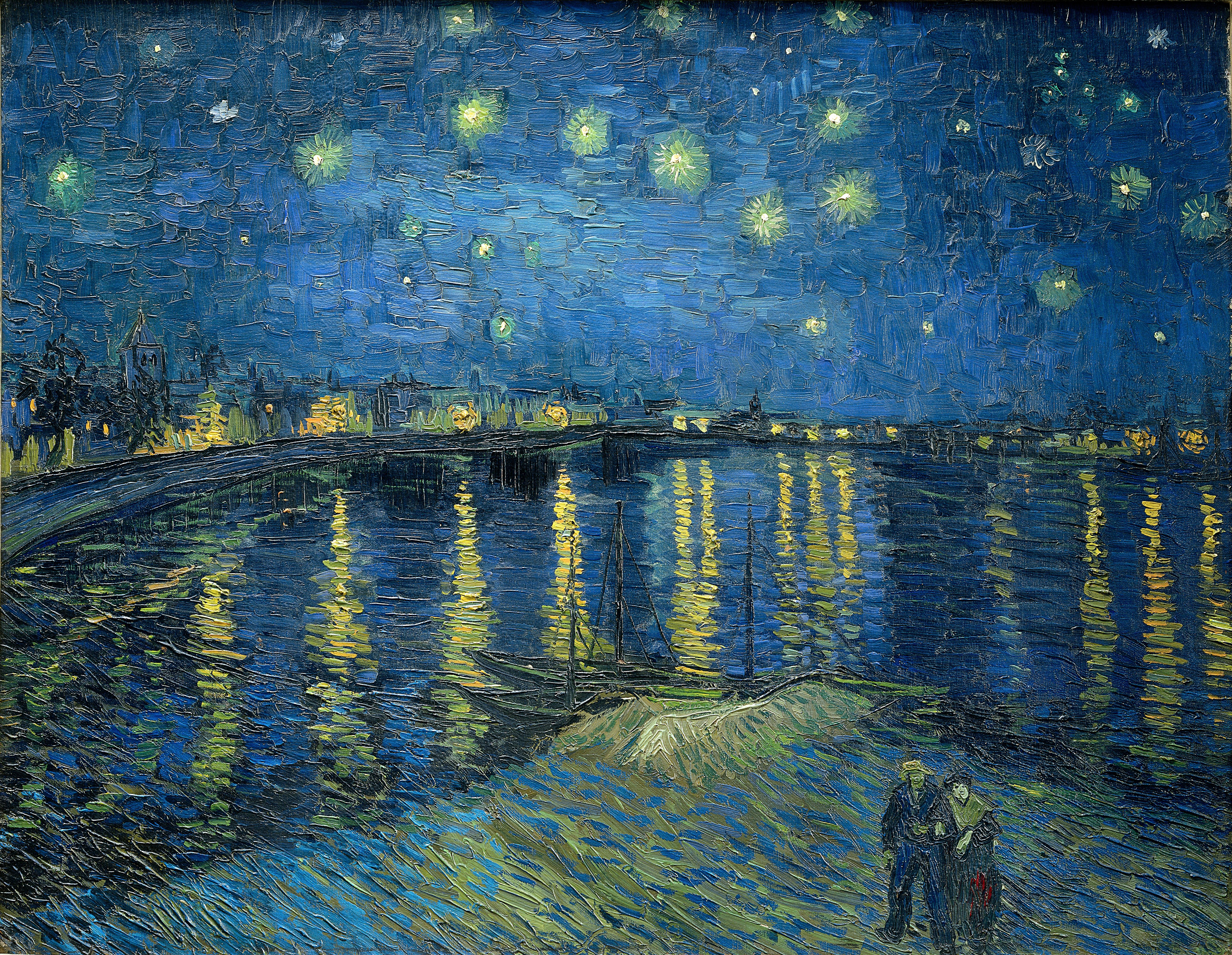
Signs and Mysteries: What You Didn't Know About that Fish Symbol
So we all know about why the fish symbol is used by Christians. Don't we? Well, maybe we do ... and maybe we don't. Or at least, maybe we don't know everything about it. As Mike Aquilina is ready and willing to point out. Love these details, don't ya know?
But we have not yet touched on the original and the deepest meaning of the fish. The fish is the primal symbol of the Holy Eucharist. One need not be Catholic to recognize this fact. Erwin Goodenough, an agnostic scholar at Yale University, wrote that the Gospel According to John — which he called “the primitive Gospel” — gives us “the earliest explicit acceptance of the fish as a eucharistic symbol and as a symbol of the Savior who was eaten in the Eucharist.” John does this, in his sixth chapter, by moving immediately from Jesus’ multiplication of the loaves and fishes to the Bread of Life discourse, His most famous eucharistic sermon. Jesus is the bread come down from heaven, multiplied for the multitude. At the end of John’s Gospel, we see the figures of fish and bread return as Jesus prepares a lakeside meal for the disciples (Jn 21:9). For the early Christians, all of these events prefigured the life-giving blessing that Jesus bestowed upon the Church. The Protestant scholar of archeology Graydon Snyder concluded: “the fish was, with the bread, the primary symbol for the Eucharist, the meal that developed, maintained, and celebrated the new community of faith.”
No text could make the association as clearly as one particular depiction in Rome’s Catacomb of St. Callistus. There we see two fish on a gravestone, one fish bearing bread, the other bearing a cluster of grapes: the eucharistic bread, the eucharistic wine . . . and the symbolic eucharistic fish.Signs and Mysteries: Revealing Ancient Christian Symbols
by Mike Aquilina
Wednesday, September 24, 2008
Worth a Thousand Words
 From Dark Fun by Mercer's Daughter
I really love those big spider webs. This brings back memories of sitting with my mother on her front porch in the night, watching a large garden spider fix up her web to get ready for the evening's catch. Mercer's Daughter has some wonderful photographs that take me back to time in the country (my favorite place, truth to tell). She's an artist so it isn't surprising that her photographs are great. Check her site out.
All Compline, All the Time
Ok, not really. However, The Anchoress has organized her compline prayer podcast into one handy spot to make it easy for everyone. Check it out!

Subscribe to:
Posts (Atom)